Renovating an old house in the Weald: what to check first
Timber frames, lime plaster, tile hanging and old wiring: the things worth checking before you start work on an older house around Crowborough and Tunbridge Wells.
2 min read
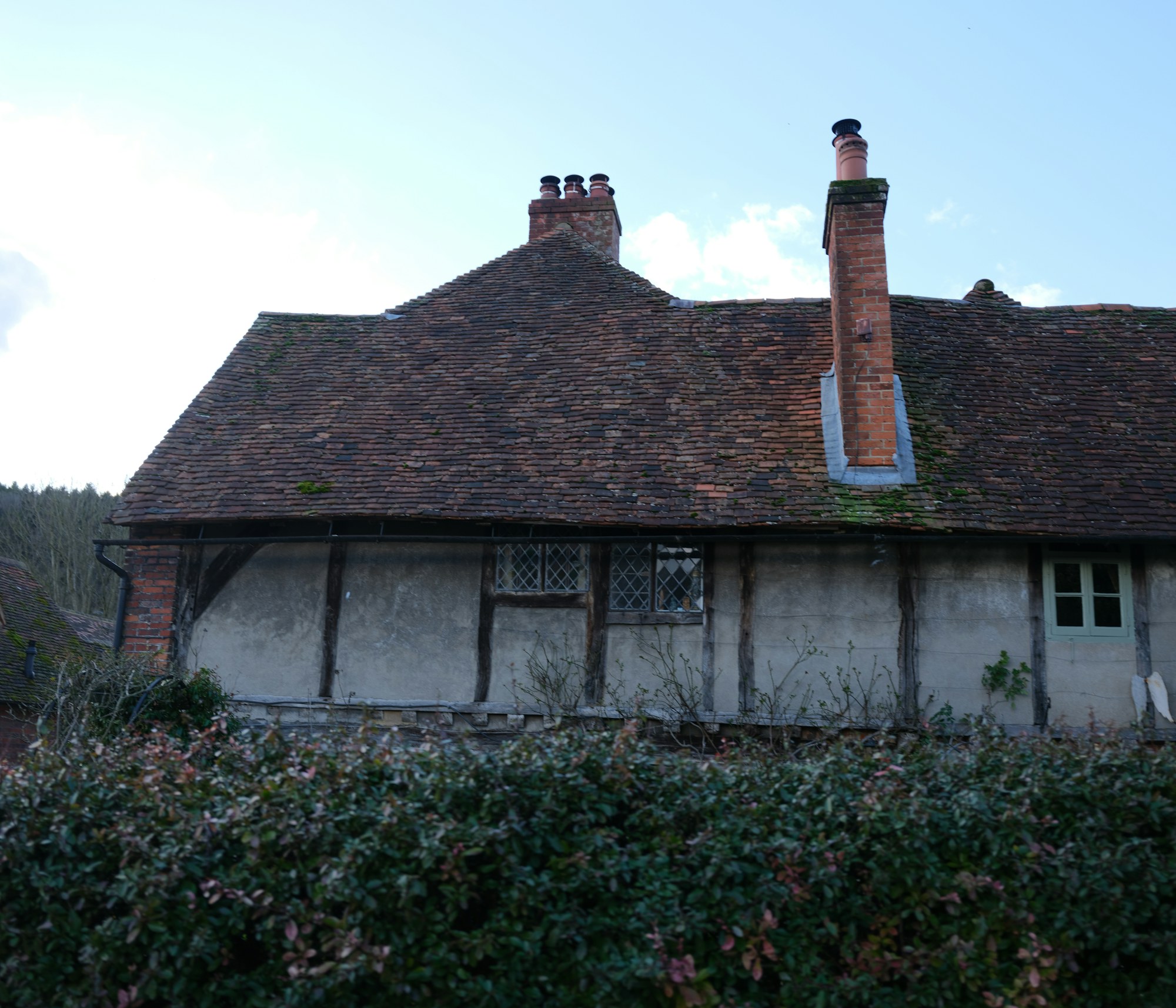
The houses of the Weald are a big part of why people want to live here: timber frames, tile-hung upper floors, weatherboarding, brick and sandstone. They are also houses that do not always take kindly to modern building methods. If you are about to renovate one, a few checks at the start will save money and trouble later.
Is it listed, or in a conservation area?
A listed building needs listed building consent for almost any change that affects its character, inside as well as out, and doing work without it is a criminal offence. A conservation area brings tighter planning rules on the outside. You can check both on the council's website, and it is the first thing to find out.
Let it breathe
Older houses were built with lime mortar, lime plaster and solid walls that let moisture in and out. Cement render, gypsum plaster and plastic paints trap that moisture, and the result is damp, decay in the timbers and blown plaster. Much of the damp we see in old houses was caused by an earlier repair. When we renovate an older house we use materials that suit it.
Look at the frame and the roof
In a timber-framed house, the condition of the sole plates, the timbers at the bottom of the walls, matters a great deal. On tile-hung walls, slipped or missing tiles can let water behind for years before anything shows inside. In the roof, look for sagging, past leaks and woodworm.
What is hidden in the walls
- Wiring. Rubber-insulated cable, old fuse boxes and too few sockets usually mean a full rewire, which is best done before plastering.
- Plumbing. Lead pipes and old tanks in the loft are worth replacing while the floors are up.
- Asbestos. Houses altered between the 1950s and 1990s can contain it in textured ceilings, floor tiles and boiler cupboards. A survey before work starts is sensible, and is required before major work.
- Bats and birds. Old roofs often have bats, which are protected. If there is any sign of them, a bat survey is needed before work on the roof.
Do it in the right order
The most common mistake is to decorate one room at a time and then find it has to be opened up again for the wiring or the heating. In a whole-house renovation, the structure comes first, then the services, then plaster, then joinery and decoration. It is quicker, and it costs less.
There is a whole-house renovation in our gallery if you would like to see how one finishes up.
Renovating an older house?
We will look at the house with you and tell you what needs doing first.
Book a free call